
The Difference is in the Details: What Defines a Luxury Custom Home
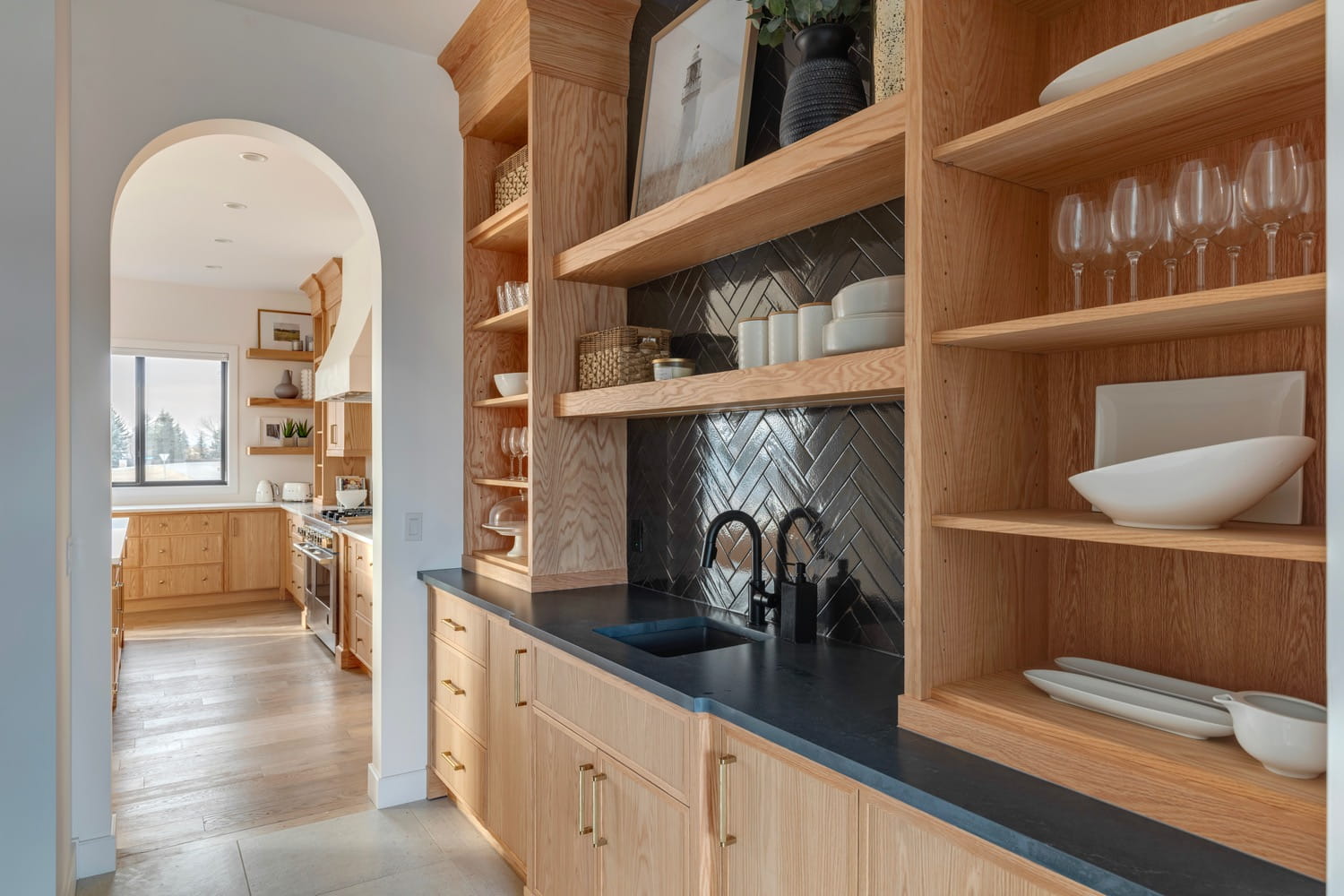

Luxury isn’t defined by square footage alone. And it isn’t simply a matter of selecting expensive finishes.
What makes a luxury custom home different is often found in the details: the way materials come together, the precision of the millwork, the proportions of a room, the transition between surfaces, and the architectural elements that make a home feel considered from beginning to end.
Often, these are the things you notice before you can explain exactly why.
At Lighthouse Custom Homes, craftsmanship is about that level of intention. It’s the difference between a home that looks beautiful at first glance and one that continues to reveal its quality the closer you look.
Craftsmanship You Can See—and Feel
There are elements of a well-built home that are immediately visible. Others are more subtle.
Look at the consistency of the reveals around doors and cabinetry. The alignment of millwork. The transitions between flooring materials. The way baseboards meet casing. The quality of the finishing carpentry and how architectural details continue naturally from one space to another.
Individually, these details can seem small. Collectively, they have an enormous impact on how a home feels.
Precision creates a sense of quiet refinement. Nothing feels accidental, awkward or unfinished. Instead, each detail contributes to the overall composition of the home.
That level of execution doesn’t happen at the end of a project. It begins with thoughtful planning and continues through every stage of construction.
Once You Know What to Look For, You Start to See the Difference
One of the interesting things about craftsmanship is that, until someone points out the details, you may not consciously notice them.
So, how can you tell if a home is well built? Start by looking at the places where materials and architectural elements come together.
Take flooring transitions.
Walk from hardwood into tile and look at where those two materials meet. Are the surfaces flush and seamless? Does the transition feel intentional? Or is there an obvious change in height, an awkward strip between materials or a detail that draws your eye for the wrong reason?
It seems like a small thing. But creating a clean transition between different flooring materials requires planning well before either surface is installed. Material thicknesses, subfloor preparation and finished elevations all need to be considered so that, when the home is complete, the transition feels effortless.
That’s craftsmanship: the finished detail looks simple because the complexity was managed behind the scenes.
And flooring is only one example.
Look Closely at the Millwork
Custom millwork is one of the clearest places to see the difference.
Look at how cabinetry doors, drawers, panels and built-ins align. Are the gaps consistent? Do the edges and corners meet cleanly? Does the millwork integrate naturally with the walls, ceilings and surrounding architecture?
In a thoughtfully designed custom home, millwork becomes part of the architecture rather than something simply added to a room.
A kitchen may incorporate cabinetry that feels more like furniture. A fireplace can become an architectural focal point through integrated stonework, shelving or paneling. A home office, library, mudroom or wine room can be designed specifically around how the homeowner intends to use the space.
The result is a home that doesn’t feel assembled from a catalogue of individual selections. It feels cohesive.
Look at the Materials
Material quality matters, but it isn’t always something you can see at first glance.
Take carpet. Two carpets may look similar, but the quality and density of the carpet—and even the underlay beneath it—can make a noticeable difference in how it feels underfoot, how it performs and how it wears over time.
The same is true of hardwood. Beyond the species and finish, consider the quality and construction of the product, the width, scale and texture of the planks, and how the flooring has been selected to complement the proportions and architecture of the home.
Then there are the details you interact with every day. The weight and feel of a door handle. The quality of cabinet hardware. Plumbing fixtures. Light fixtures that feel appropriately scaled to the room rather than simply decorative.
These selections may seem small individually, but together they influence how substantial and considered a home feels.
And then, look at how those materials come together.
Where does hardwood meet tile? How does flooring terminate at a staircase or fireplace? How does stone meet millwork? Has tile been thoughtfully laid out around niches, corners and fixtures? Are grout lines consistent? Do patterns and natural stone veining feel intentional?
These intersections can reveal as much about craftsmanship as the materials themselves.
Luxury isn’t simply about choosing the most expensive finishes. It’s about selecting the right materials, understanding what’s behind them, and executing every detail thoughtfully.
Some of the most sophisticated homes rely on restraint: fewer materials, carefully selected and exceptionally well executed.
Look at the Finishing Carpentry
Baseboards, casing and trim may not be the first features you notice when you enter a home—and that’s often the point.
Pay attention to the corners, joints and transitions. Look at how baseboards meet door casing, how trim terminates and whether those details remain consistent throughout the home.
Precision in finishing carpentry creates a subtle sense of quality. When it’s done exceptionally well, you may not notice a particular joint or transition at all. Instead, the entire space simply feels refined.
Architectural Details Create Character
Luxury custom homes aren’t defined by how many features can be added. They’re defined by how thoughtfully those features are incorporated.
Ceiling details can subtly define a space. Oversized windows can frame a particular view. A staircase can become a sculptural architectural element. Carefully positioned lighting can emphasize texture, art or millwork rather than simply illuminate a room.
Even practical elements can be considered architecturally.
Door heights, window placement, ceiling transitions, trim profiles and the scale of openings between rooms all influence how a home feels.
What You Don’t See Matters Too
Some of the most important differences in a well-built custom home are hidden once construction is complete.
Behind the walls and within the mechanical room are decisions that influence how comfortable, efficient and functional a home feels every day. That can include triple-pane windows, enhanced insulation, higher-performance heating and cooling systems, upgraded hot-water capacity or recirculation, and thoughtfully planned electrical, plumbing and smart-home infrastructure.
These aren’t necessarily the features you’ll notice in finished-home photography, but you’ll experience their value every day—in consistent temperatures, readily available hot water, better energy performance and systems designed around the demands of the home.
Every new home must meet applicable building codes. A luxury custom build provides the opportunity to go further, investing where it can meaningfully improve comfort, performance and longevity.
Because true craftsmanship isn’t limited to what you can see. It’s also found in how the home is built to perform.
Details Should Serve the Way You Live
Perhaps the greatest luxury of a custom home is that the details can also be personal.
A custom kitchen can reflect how you actually cook and entertain. Storage can be designed around what you own rather than forcing your belongings into predetermined spaces. A mudroom can accommodate the equipment that comes with skiing, cycling or an active family. A hobby room, golf simulator, home gym, wine room or dedicated entertaining space can be designed around the things you genuinely enjoy.
This is where customization moves beyond aesthetics.
The details become part of how the home functions—and how effortlessly it supports daily life.
The Details Behind the Details
Some of the most important signs of craftsmanship aren’t decorative at all.
They’re found in the planning, coordination and execution behind the finished product.
Achieving clean architectural lines requires trades to work to exacting tolerances. Complex material transitions need to be anticipated before installation begins. Custom millwork must coordinate with flooring, electrical, lighting and mechanical systems.
The details that appear simplest when a home is finished can require considerable planning behind the scenes.
This is why craftsmanship isn’t simply a finishing stage. It’s a discipline that carries through the entire build.
At Lighthouse, that attention to detail is supported by the same principles we bring to every project: clarity, craftsmanship and care. Clear communication and thoughtful planning help protect the design intent. Experienced trades and careful execution bring it to life. And care means treating every decision—large or small—as an important part of the finished home.
What Makes a Custom Home Different?
A true custom home isn’t defined by one material, feature or finish. The difference is in the level of consideration given to the home as a whole—from how it responds to the homeowner and property to how materials, architecture and craftsmanship come together.
While production homes are generally built from predetermined plans, specifications and selections, a custom home provides the opportunity to consider those decisions specifically for the homeowner.
That difference becomes particularly noticeable in the details: custom millwork designed for a particular space, carefully planned material transitions, architectural features created for the home, and functional spaces tailored to the way the homeowner lives.
It’s also where you begin to see the value behind the investment.
You’re not simply investing in what has been selected. You’re investing in the planning, coordination, skill and execution required to bring all of those individual decisions together successfully.
A Home That Rewards a Closer Look
A luxury custom home should make an impression when you first walk through the door.
But its quality should become even more apparent when you look closer.
In the flooring transitions. The millwork. The materials. The finishing carpentry. The alignment of architectural elements. And ultimately, in how naturally the home reflects the people who live there.
Because when every element has been considered with intention, the difference isn’t one defining feature.
It’s in the details.
See the difference craftsmanship makes. Explore our recent projects and discover how Lighthouse approaches the details that define a truly custom home.
